Book 4: Trail of Tears – Colonialism Series
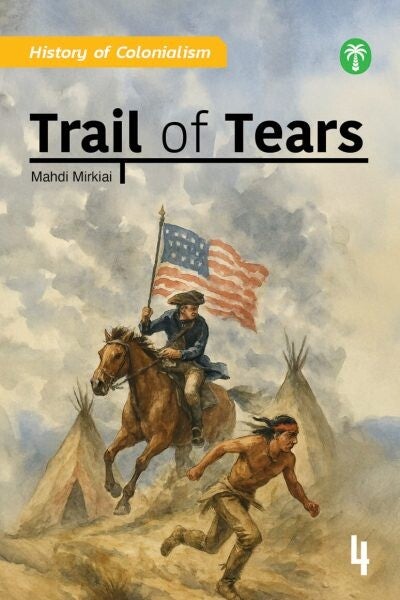
Examine the foundational moment of European contact, the tragic exploitation of indigenous hospitality, and the origins of systemic displacement with Book 4: Trail of Tears. An essential and sobering volume in our critically acclaimed Colonialism Series, this book traces the deep historical roots of Native American subjugation back to the very day European explorers first made landfall. By juxtaposing the peaceful, nature-centric worldview of the indigenous populations with the militaristic ambitions of the conquistadors, this text delivers an uncompromising look at how the colonization of the Americas truly began.
The Rhythms of Nature vs. The Ships of Conquest
The narrative begins by immersing readers in the beautiful, ecologically grounded culture of the Native American tribes, whose very language reflected their deep connection to the earth:
"Native Americans, being nature lovers, had named the first autumn month 'The Month When Ducks Return and Hide Themselves.' As they awaited the duck migration, they saw a huge ship approaching. The newcomers arrived in small boats, swords in hand. The Native Americans, showing kindness, ran to their huts and returned with food and water. On October 12, 1492, Christopher Columbus set foot on the American continent for the first time."
This stark opening captures the tragic asymmetry of the encounter. While the Indigenous people observed the seasonal migrations and prepared an offering of vital food and fresh water to welcome the weary travelers, the arriving Europeans stepped ashore weaponized and ready for dominance.
The Sword and the Strategy of Subjugation
Trail of Tears dives directly into primary source materials, utilizing Columbus's own private journal entries to expose the immediate shifting of European intent from exploration to total enslavement:
"Later, he described them: 'When I showed them my sword, they cut themselves by touching its blade... with fifty soldiers, we can bring them to their knees and make them do whatever we want.'"
This chilling observation lays bare the foundational ethos of colonial conquest. The complete innocence of the Indigenous people—who had never seen steel weaponry and cut themselves out of sheer curiosity—was not viewed by the explorers with compassion, but as a tactical vulnerability to be exploited. The book meticulously demonstrates how this exact mindset of racial superiority and military leverage directly charted the course for the next four centuries of forced migrations, broken treaties, and the eventual tragedies of the Trail of Tears.
Why This Book is Essential for History Collections:
-
Exposes First-Contact Truths: Uses direct historical perspectives to challenge romanticized myths surrounding early exploration.
-
Analyzes the Clash of Worldviews: Contrast an earth-centered, hospitable culture with an extractive, empire-driven military force.
-
Invaluable Educational Tool: A brilliant foundational text for high school, university, and independent readers studying Native American history and post-colonial frameworks.
-
Compelling, Truthful Narrative: Combines poetic cultural details with hard primary source evidence.
Product Specifications & Global Delivery
-
Series: Colonialism Series (Book 4)
-
Target Audience: Highly recommended for history educators, students, and readers interested in indigenous studies.
-
Core Themes: First contact, Christopher Columbus, Native American history, military exploitation, and early colonial policy.
-
Worldwide Shipping: Securely packaged and dispatched from our UK hub, offering rapid, tracked, and reliable delivery options worldwide.