Book 8: The Sons of the Sword – Colonialism Series
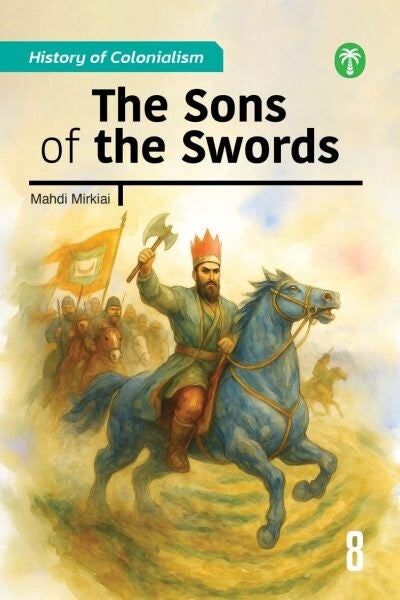
Step into a defining moment of 18th-century diplomacy, economic sovereignty, and anti-colonial defiance with Book 8: The Sons of the Sword. A powerful and illuminating addition to our acclaimed Colonialism Series, this historical text explores how sharp political foresight allowed leaders to protect their nations from foreign subjugation. Through an unforgettable, theatrical confrontation between an Iranian ruler and British traders, this book exposes the deceptive strategies of colonial expansion and celebrates the strength of domestic independence.
The Deception of the Merchant's Guise
The book transports readers to the year 1766, a period when European empires were aggressively expanding their footprints across Asia under the banner of corporate trade:
"In 1766, Karim Khan learned that a group of British merchants had come to Shiraz to meet him. By then, the British had seized much of southern and eastern India, and many knew they had entered under the guise of merchants."
This crucial backdrop highlights the predatory methodology of global colonialism. The British East India Company routinely utilized commercial trade agreements as a trojan horse, establishing a economic foothold before deploying military force to usurp local governance—a pattern Karim Khan was acutely aware of.
The Parable of the Shattered Plate
The Sons of the Sword masterfully focuses on the physical demonstration that halted British ambitions in Shiraz:
"When the group met him, the British men eagerly presented a plate to Karim Khan. He examined its design, threw it to the ground, and it shattered. Karim Khan said to his servant, 'Bring me one of our copper dishes.' Karim Khan threw the dish to the ground. It remained intact. 'See?' he said to the British. 'Iranians are better off using these copper dishes. They don’t need your goods.'"
This dramatic act was a profound piece of statecraft. By deliberately shattering the fragile imported porcelain and contrasting it with the unbreakable, locally crafted Iranian copper, Karim Khan delivered a brilliant economic warning. He demonstrated that relying on foreign luxury goods creates structural vulnerability, while relying on indigenous craftsmanship ensures a society's resilience and independence.
Why This Book is Essential for Your Historical Collection:
-
Exposes Early Colonial Tactics: Unpacks how European empires weaponized international trade and mercantile diplomacy to destabilize sovereign nations.
-
Celebrates Indigenous Sovereignty: Showcases a brilliant, real-world example of a leader recognizing and rejecting economic dependency.
-
Invaluable Educational Resource: An excellent text for high school, university, and independent researchers studying Middle Eastern history, trade politics, and anti-colonial resistance.
-
Vivid, Action-Oriented Narrative: Binds complex geopolitical concepts to a memorable, high-stakes human confrontation.
Product Specifications & Global Delivery
-
Series: Colonialism Series (Book 8)
-
Target Audience: Perfect for history students, educators, and adult non-fiction readers interested in geopolitical strategy.
-
Core Themes: Economic sovereignty, the Zand Dynasty, British East India Company tactics, anti-colonial resistance, and global trade history.
-
Worldwide Shipping: Securely packaged and dispatched from our UK hub, offering rapid, tracked, and reliable delivery options worldwide.